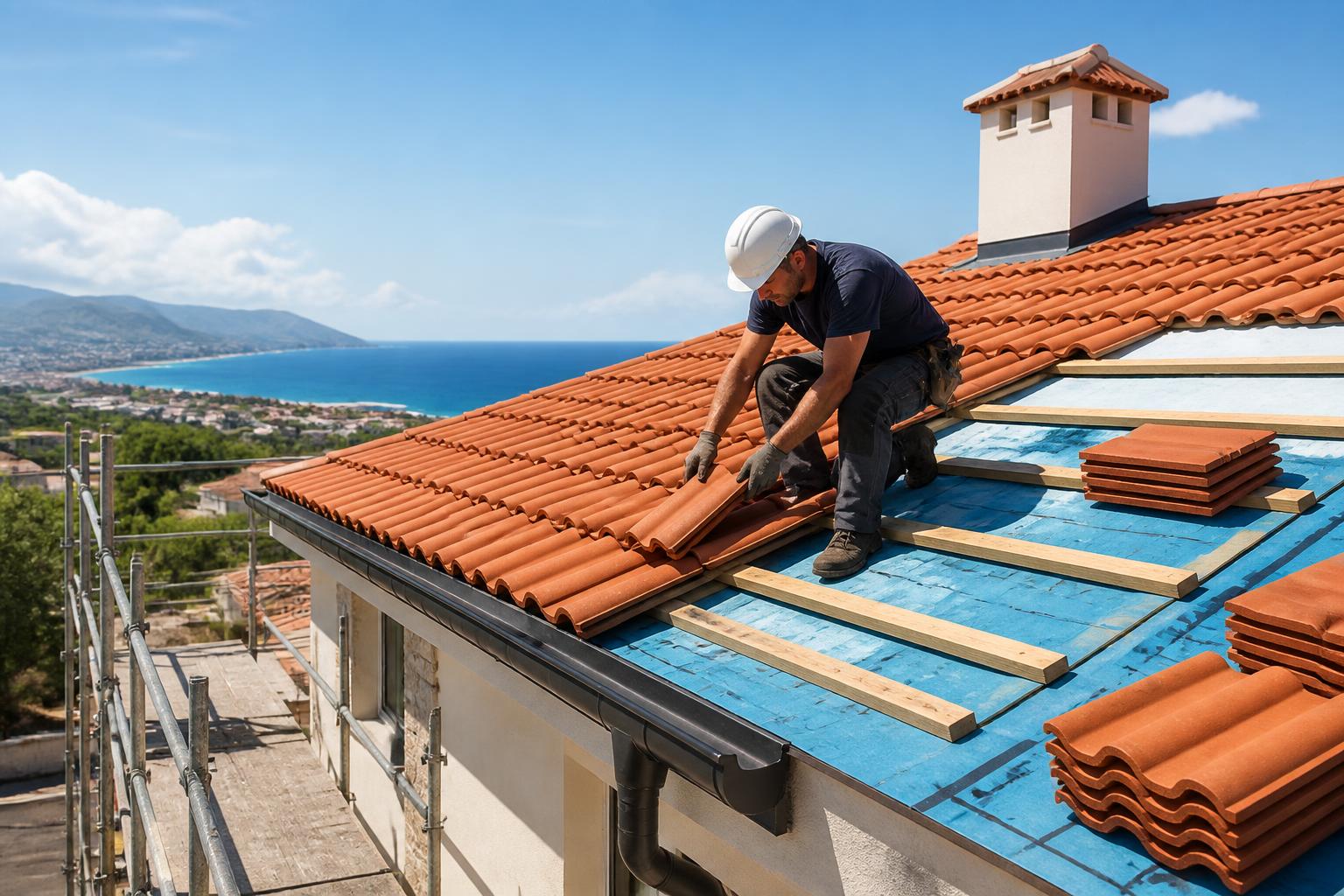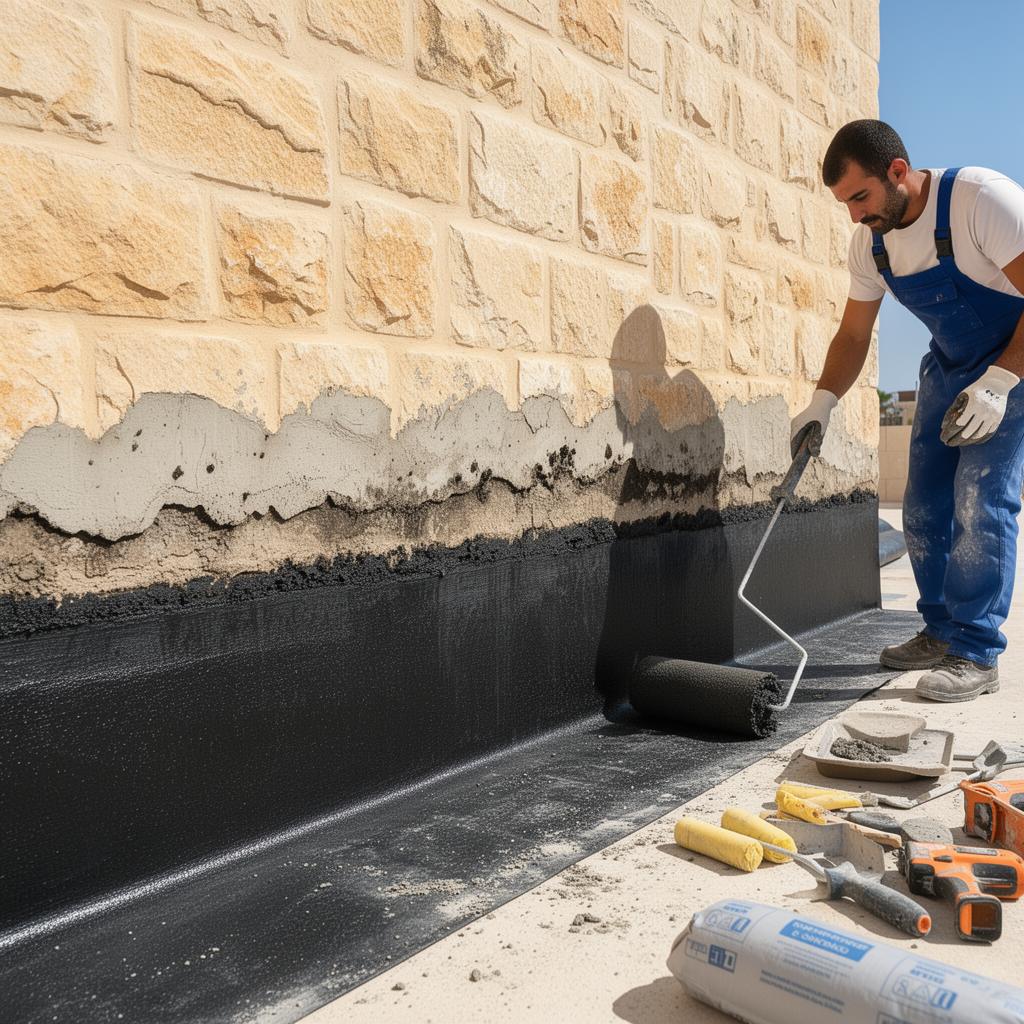
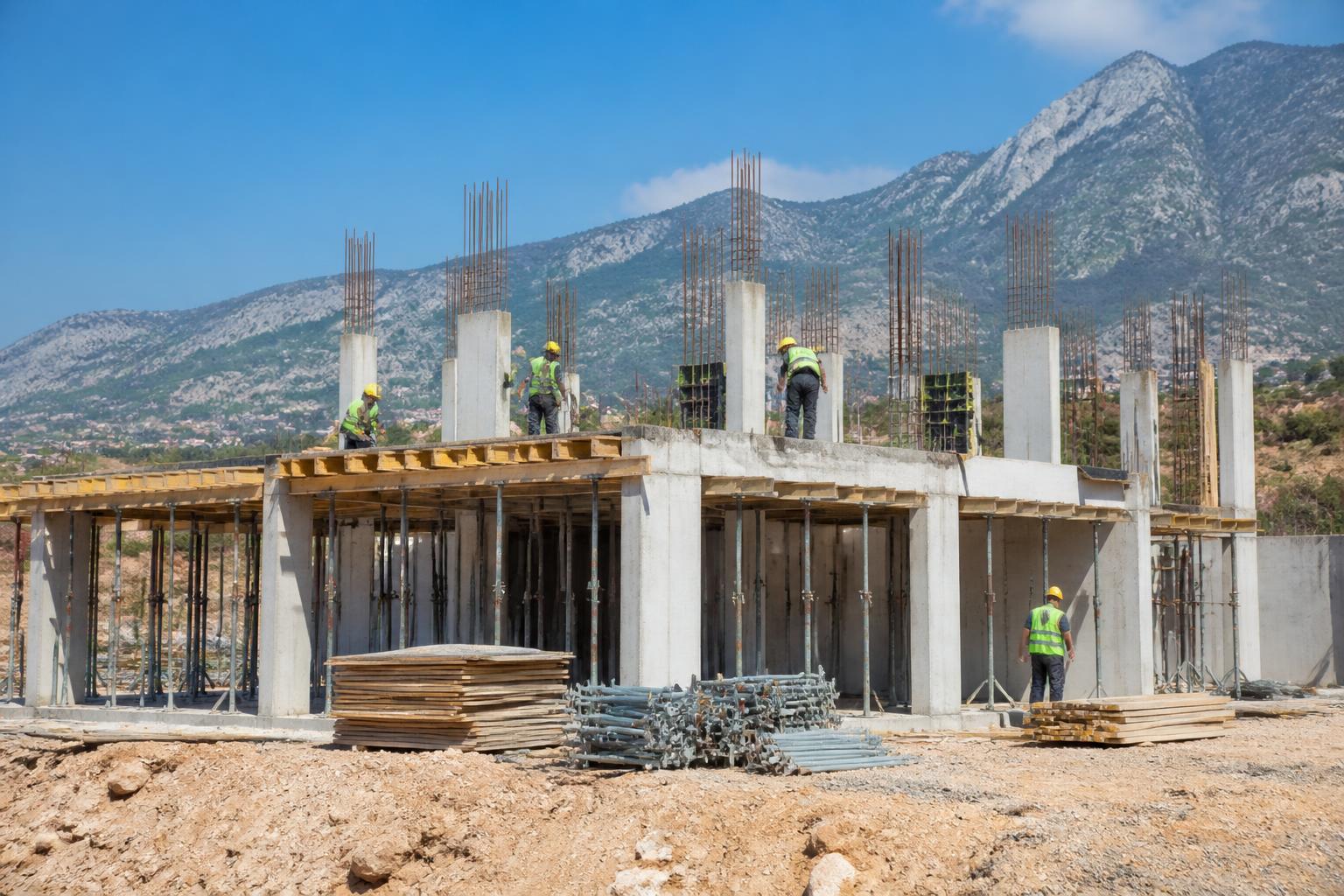
A building site tells you more about a contractor than any brochure. Look at the gate, the scaffold, the waste pile and the people on the roof, and you will know within five minutes how the rest of the job is likely to go.
North Cyprus has a formal rulebook for construction site health and safety, yet many owners, especially overseas owners, have never been told it exists. It matters for two reasons: it protects the people working on your property, and a site run to a proper standard is almost always a site that produces proper work.
The rule most owners have never heard of
The Cyprus Turkish Chamber of Commerce (KTTO) published a notice on 20 September 2019 about the Occupational Health and Safety Regulations for Construction Work (İnşaat İşlerinde İş Sağlığı ve Güvenliği Tüzüğü), stating it would come into force on 17 December 2019. The regulation text itself says it is made under Article 44 of the Occupational Health and Safety Law (Law 35/2008) and is enforced by the ministry responsible for labour. It sets minimum health and safety requirements for construction sites and construction work.
We are builders, not lawyers, and this article is a plain-English reading of the published text, not legal advice. If a specific project turns on the detail, check the regulation or take professional advice. But the headline duties are clear enough for any owner to use as a checklist.
What the regulation asks of the party running the works
Reading the published text, the main points are these:
- Registration before work starts. Anyone starting construction work expected to last more than 30 days must complete a construction registration declaration (İnşaat Tescil Bildirgesi) and submit it to the labour department before starting. The approved declaration is to be kept on site. Sites with at least 500 workers at once must register regardless of duration.
- A secured, orderly site. Before work starts, the site is to be enclosed, with entry and exit controlled. It must be kept clean, materials stored and handled in a controlled way, and equipment maintained. Construction waste is to be removed within two working days at most.
- Protective equipment provided. Personal protective equipment is to be supplied under the PPE regulation, not left for each worker to find.
- A safety plan and safety file. Where subcontractors or self-employed workers share a site, the regulation calls for a risk assessment report, a safety plan and a safety file prepared by a certified construction health and safety expert, plus a health and safety coordinator. The plan covers things such as site layout, fire and escape routes, lifting equipment and scaffolds, storage, first aid and emergency signals.
- Training. Workers doing work at height, using equipment or chemicals, or digging excavations are to receive at least three hours of health and safety training before starting, and at least one hour of orientation before each new type of activity.
- Inspectors can stop work. Where life is at risk, an inspector can order a partial or full stop to an activity without prior warning.
- Void contracts. The regulation says contracts with people who are not legally authorised to operate as employers in the TRNC are void.
That last point is worth reading twice. If something goes wrong on site, the paperwork behind the person you hired matters.
Why a villa owner should care
It is easy to treat site safety as the builder's problem. In practice it lands on you in four ways.
Your neighbours and your boundary. Scaffolding, open excavations and unsecured materials do not stop at the plot line, particularly where plots sit close together.
Quality. Tidy sites tend to produce tidy work. Materials stored properly and waste cleared promptly mean fewer damaged finishes and fewer surprises behind the plaster.
Delays. A stopped site is an expensive site. A contractor with no plan for safe access, lifting and storage is a contractor who will lose days.
Peace of mind. Whether you are living in North Cyprus or watching progress by video from the UK, you want to know who is on your roof and whether they are properly looked after.
A ten-minute owner's site check
Whether you are in Esentepe, Famagusta, İskele or Nicosia, these are fair questions to put to any builder before work begins, and fair things to look for when you visit:
- Is the site enclosed, with controlled access, before work starts?
- Is there a written plan for how the work will run safely, rather than a verbal assurance?
- Is the scaffold properly erected and inspected, with safe access to every level?
- Are workers wearing the right protective equipment, and was it provided by the contractor?
- Are trenches, excavations and openings guarded?
- Is waste cleared promptly and materials stored out of the way?
- Is there a first aid kit and a clear route out in an emergency?
- Does the contractor know who is responsible for each trade on your site?
- Can they explain, in English, what they have put in writing for your project?
- Do the quotation and the scope of works say what happens if the scope changes?
If the answers are vague, that is information.
The standard we hold ourselves to
Safe sites are not an extra at 365 Build & Design. We bring 40 years of UK construction experience and NHBC-certified practice to every project, and UK site discipline (planning, tidy storage, safe access, written scopes) goes with us wherever we build. We are an officially registered TRNC company based in Kyrenia, and our whole team speaks English, so you can ask us exactly what will be on your site and why, and get a clear answer. For owners abroad, that clarity matters even more.
Questions to ask about the paperwork
Because the regulation sets duties for the people running the works, ask your builder plainly: who is registering this site, who is preparing the safety plan, and who is the named person responsible on site each day? A professional will answer without hesitation.
If you are planning a villa build, an extension or a major renovation in North Cyprus and want a site run properly from the first day, talk to 365 Build & Design about your project.
WhatsApp us or visit 365builddesign.com.
Sources: Cyprus Turkish Chamber of Commerce (KTTO), notice "İnşaat işlerinde İş Sağlığı ve Güvenliği Tüzüğü Hk.", 20 September 2019, and the regulation text linked from it.